- Success stories
- 2mins read
- 361 Views
Empowering Change through Dialogue
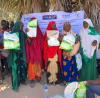
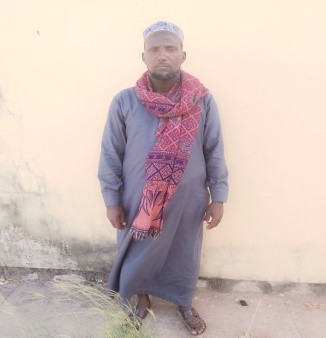
For Abdah Hish, a 45-year-old father of 24 children from two wives, the concept of gender equality, peaceful coexistence, and public health awareness was unfamiliar territory. Like many in the Bokolmayo community, Abdah had limited understanding of gender roles, harmful traditional practices (HTPs), and HIV/AIDS prevention. There was also tension between host communities and refugees over resource sharing, creating friction within the region. However, all of this began to change with the community conversation sessions facilitated by PAPDA in partnership with the Women and Children Affairs Office.
As part of the Integrated Livelihood Development Project, PAPDA established 36 community conversation groups that served as platforms to engage participants on critical issues. Discussions covered topics such as:
- Peaceful coexistence and conflict management between refugees and host communities
- Gender equality and prevention of gender-based violence (GBV)
- Harmful Traditional Practices (HTPs) and their effects
- HIV/AIDS awareness, modes of transmission, and prevention
Abdah participated actively in these discussions, alongside other residents, learning lessons that would significantly shape his views and actions.
A Shift in Mindset: Gender Equality and Ending Harmful Practices
Abdah reflected on how his attitudes toward gender roles evolved through the conversation sessions.
“I used to be unaware of gender equality,” Abdah said. “Now I understand that women are a crucial part of society and should participate equally in decisions that affect their lives. Husbands must share the burden of household chores with their wives.”
Through these conversations, Abdah also gained awareness of the dangers of harmful practices, such as female genital mutilation (FGM) and early marriage. He expressed his strong opposition to such practices:
“I now oppose harmful practices like female genital mutilation and early marriage.”
Fostering Peaceful Coexistence and Unity
Another key outcome of the community conversation sessions was the improved relationship between the refugee and host communities. Abdah witnessed how the tensions over resources gradually gave way to positive interactions and cooperation.
“The relationship between the refugees and host communities has improved greatly. Thanks to the intervention by PAPDA and other stakeholders, we now share resources like water and the marketplace without conflict,” he explained.
Abdah embraced his new role as a community advocate. He actively educates others about gender equality, GBV prevention, and the importance of peaceful coexistence during meetings and social gatherings, helping to spread the message of positive change.
Gratitude and Hope for the Future
Abdah expressed his sincere appreciation to PAPDA and its team for making the community conversation sessions a reality:
“These conversations have transformed our attitudes and brought unity to our community. I am grateful to PAPDA for creating these platforms that empower us with knowledge and change our perspectives for the better.”
Conclusion
Abdah’s journey demonstrates the power of community-led conversations in driving behavioral change and social cohesion. Through dialogue, PAPDA has not only transformed individual attitudes but also fostered unity between refugees and host communities, breaking down barriers that once divided them.
By promoting gender equality, ending harmful practices, and enhancing peaceful coexistence, PAPDA’s community conversation initiative has laid the foundation for a more inclusive, harmonious, and empowered community. This story reflects the lasting impact of collective action, education, and dialogue in building stronger, healthier societies.